The Compression Point -- a publishing company built around one idea
An inquiry
Who are you?
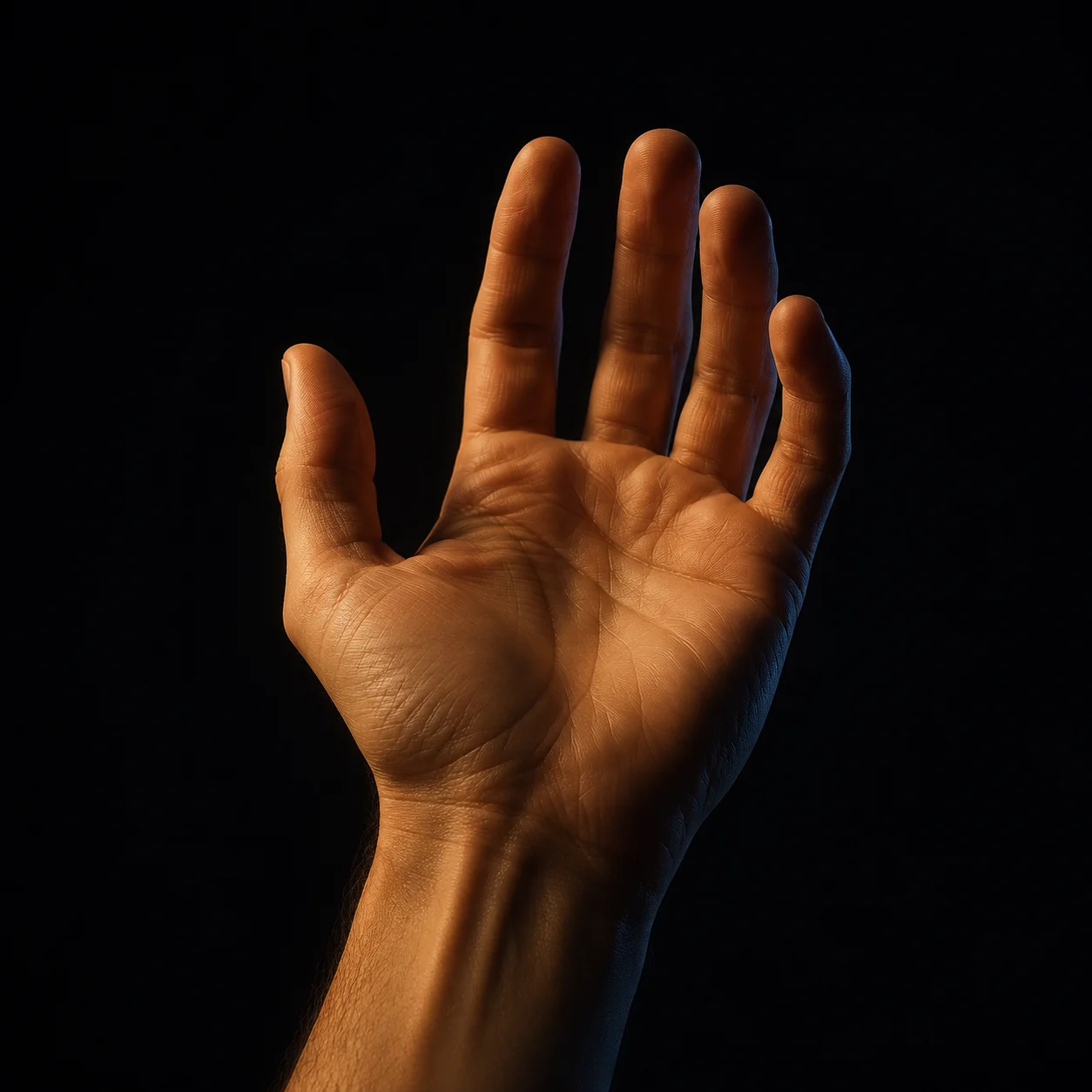
Look at one of your hands.
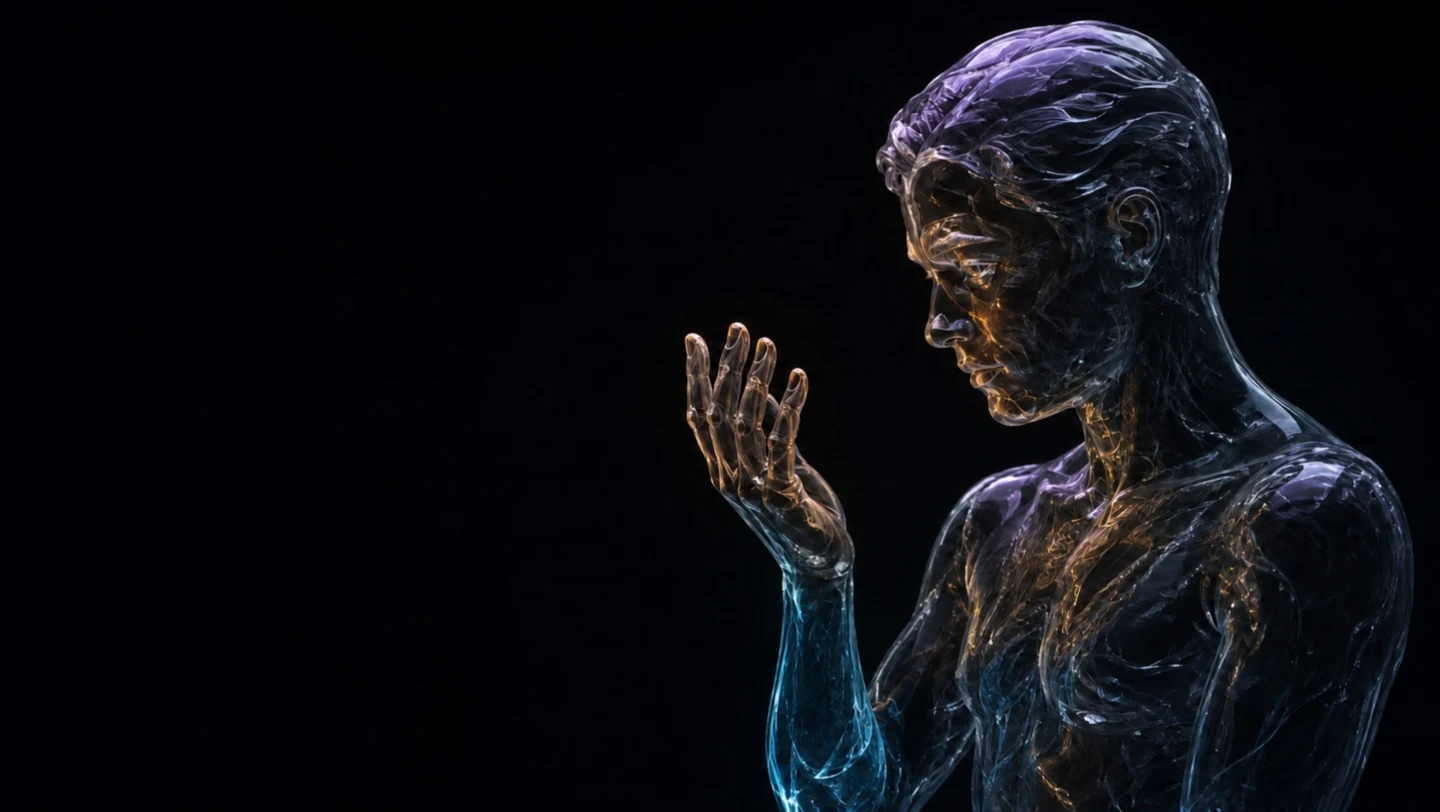
The lines across the palm. The folds at the joints. The way the light catches the skin.
Perhaps there is a small mark you recognise.
Most of the time, your attention passes through this hand towards whatever you are doing. A cup. A door. A message. Another person.
Stay with the hand itself.
The Compression Point · Who / What / How
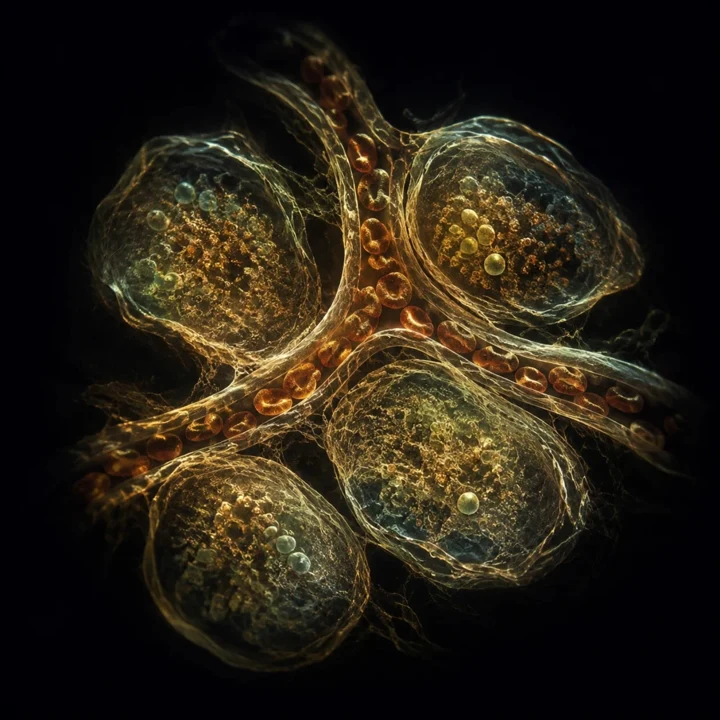
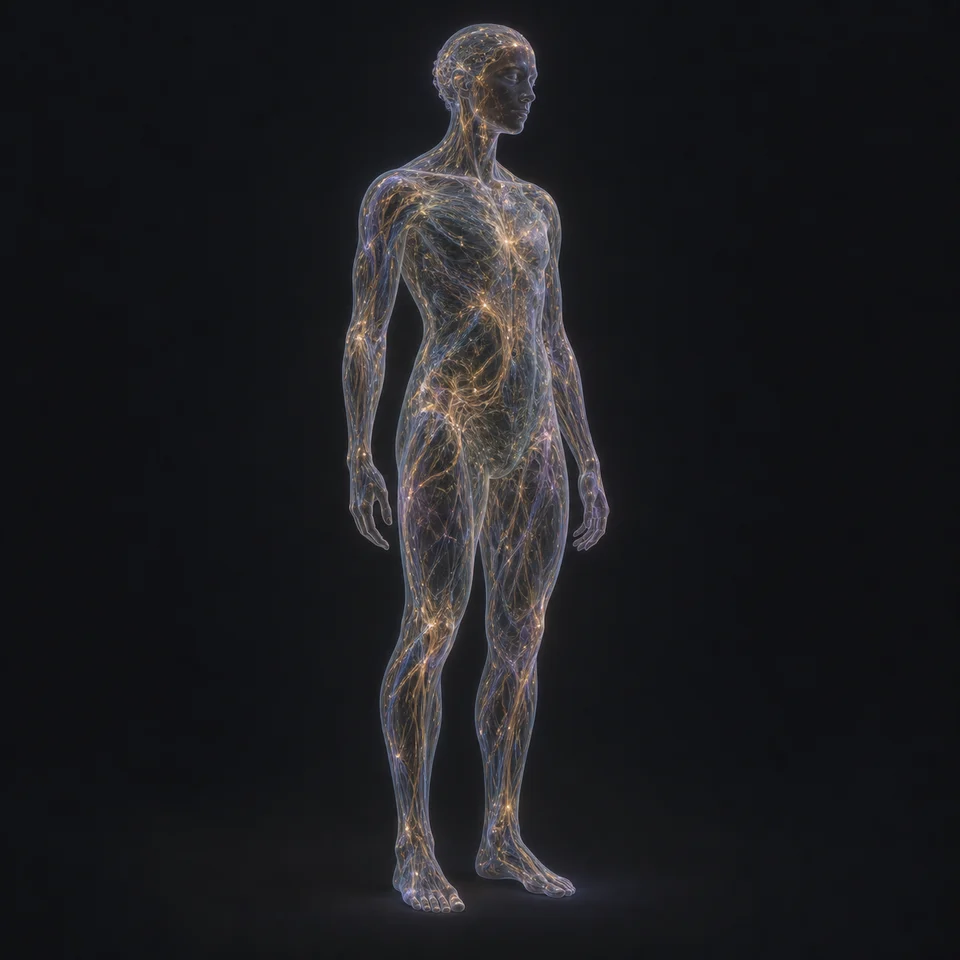
Under the skin, blood is moving. Cells are receiving what they need, exchanging signals, maintaining the tissue you are looking at. A great deal is happening while the hand appears to be doing very little.
Its warmth depends on things that arrived from elsewhere. Food. Breath. Energy that passed through other lives.
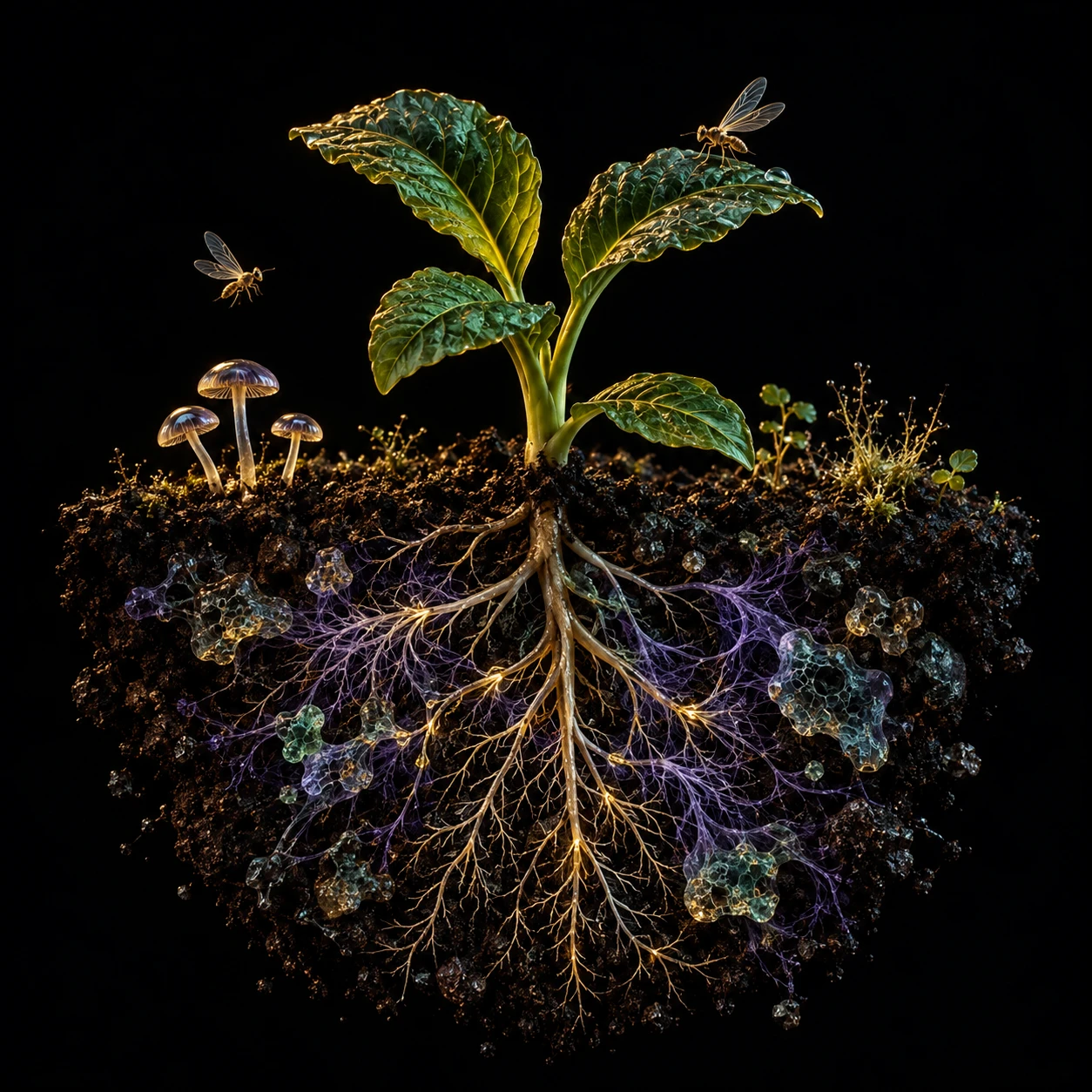
What keeps it alive reaches far beyond your body: into fields and growing plants, and the work of people who gather, prepare and move what others need.
An ordinary meal has already brought some of that world into you. It is helping sustain this hand.
You can draw a clear outline around it. Following what keeps it here takes you much further.
Its history does the same.
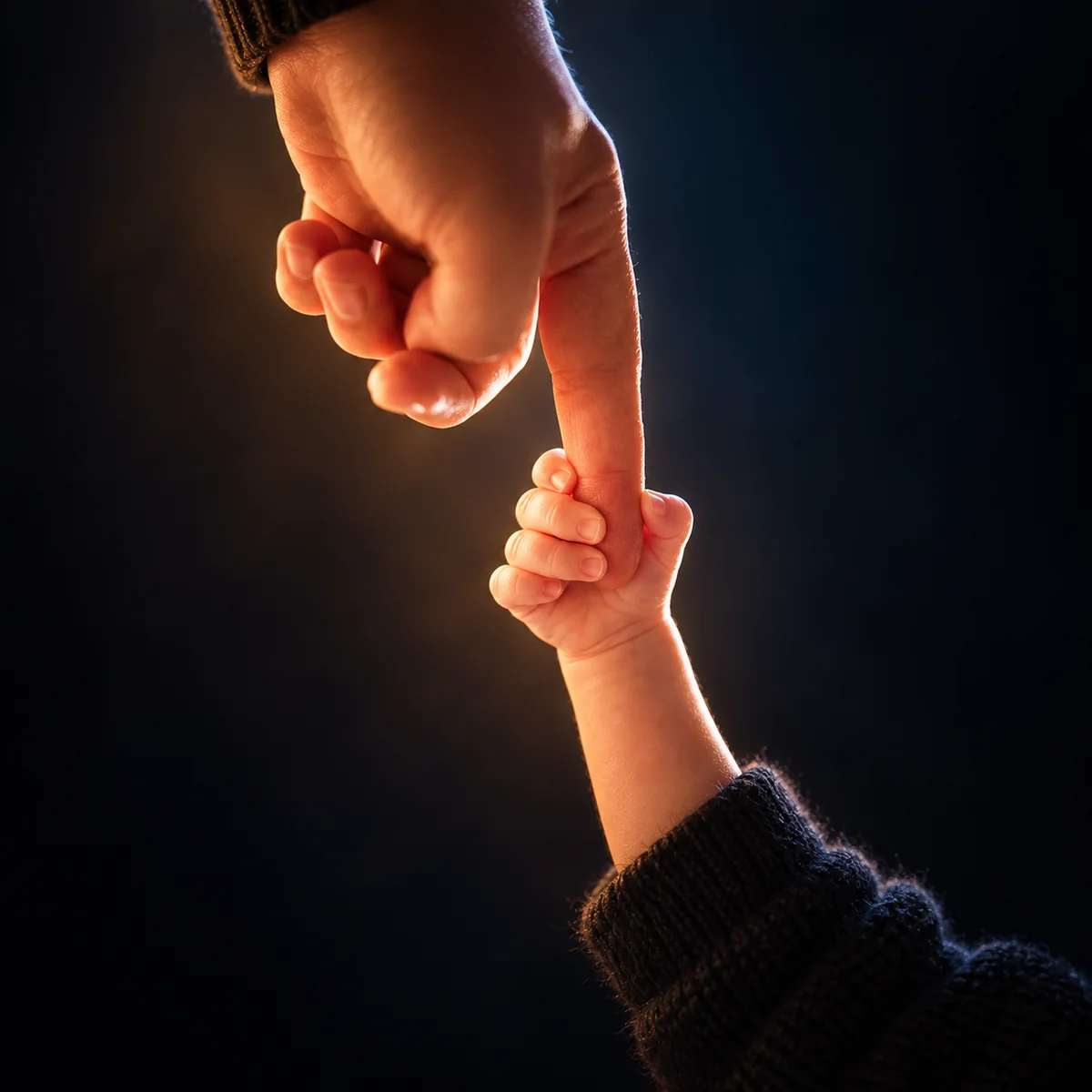
There was a time when this hand was small enough to close around someone’s finger. Earlier still, it was growing before you had a word for it.
You never had to understand how to assemble it.
The inherited processes guiding its development had already passed through an immense succession of lives. Their history reaches back into bodies very different from yours, through changing ways of moving, sensing and meeting the world.
Some traces of that history are present in the shape before you. Others appear when you use it.
Your hand has learned things within your own lifetime, too. Writing your name. Fastening a button. Playing a few notes. Finding a familiar object without looking.
There was a time when the movement needed more of your attention. You tried, adjusted, tried again. What once took effort has become something you can do almost without thinking.
The past is present in the ease of the movement.
Other people are present there too.
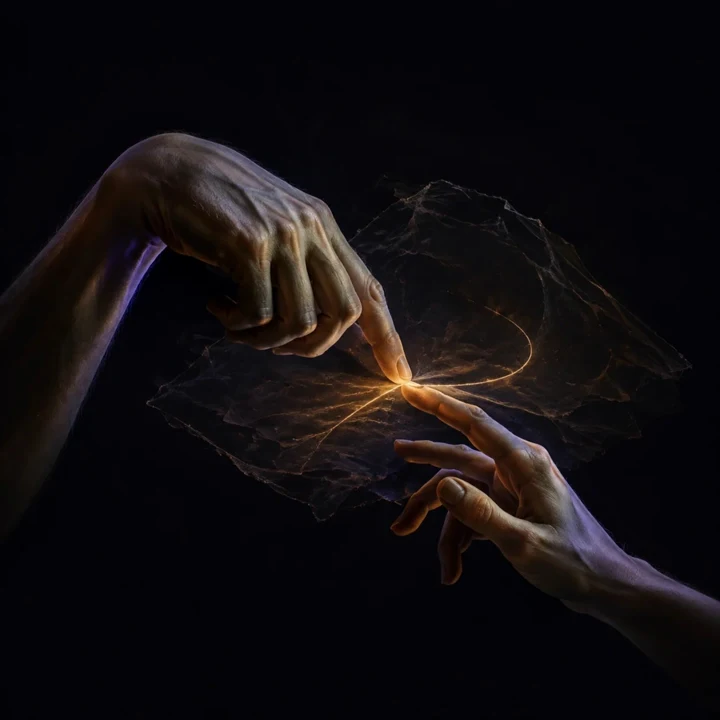
Someone may have guided your fingers. You watched what others did. You encountered objects made to be held and tools whose forms preserve discoveries made long before you were born.
Even a simple gesture has a history beyond you.
A raised hand can ask to speak. An open palm can invite someone closer. A small movement across a room can become a greeting because another person knows how to receive it.
The movement acquires meaning between lives.
Perhaps you can remember a particular hand. Its weight in yours. Its texture. A way it moved. A feeling may arrive with it.
For a moment, someone absent may feel close again.
These words have brought your attention back to your own hand.
Marks on a screen have met a language you learned through other people. You have made something of them using experiences that belong to your life.
The hand is still there.
But following it has taken us through a body, through other lives, through generations of inheritance, through things learned and people remembered.
All those histories have consequences here, in something you ordinarily recognise without a second thought.
My hand.
Stay for a moment with that small word: my.
The hand can be seen. It may also be felt from within: warmth, pressure, movement, the familiar sense that it belongs to you.
You can describe its structure, trace something of its history, remember what you have done with it. Through all of this, there is the fact of experiencing it.
A living body is looking at part of itself, bringing its own history into view.
The inquiry has come back to the place it began.
Who are you?
An answer may come quite easily. A name. A few facts. People and places that help locate you.
That answer matters. It gathers a particular life: things that have happened to you, people you care about, possibilities you are trying to bring closer.
Even this familiar answer depends on more than you can see.
As you sit here, a cell responds to a change around it. Chemical signals arrive; its activity alters; other cells respond in turn.
None of this requires the cell to understand the question you have just been asked. It has no need for your name.
Yet its activity helps sustain a life in which a name can matter.
Across your body, innumerable such exchanges continue. Together, they make possible capacities that no individual cell possesses: recognising a face, remembering a childhood, wondering what to do with the years ahead.
You experience this coordination from within.
Something you understand well carries a similar history. It may be something you do for work, a practical skill, a subject you have spent years thinking about. Consider how it reached you.
Someone showed you something, or an explanation made a difficulty clear. A tool made a task possible. Another person noticed a mistake you could not yet see.
Behind them were other people.
The language in which you think was already carrying distinctions before you learned it. The tools you use preserve discoveries made by people whose names you may never know. Even a question that feels entirely your own may become possible because someone, somewhere, has given you a way to ask it.
A discovery can begin in one person, be corrected by another, recorded by a third and become useful much later, under circumstances none of them imagined.
Understanding accumulates between lives.
You participate in an intelligence that no one person contains.
Parts of it live in conversation; others in books, instruments, habits and institutions. Some become visible only when people work together and find they can do something none could have done alone.
It can also mislead itself. A mistake can become an inheritance. A useful distinction can harden into a certainty. A repeated error can begin to feel like common sense.
Being inside this activity does not give you a view of the whole. Some of its movement is visible in your own life. A phrase you have inherited. An expectation you had never thought to question. A new possibility that appears because another person has looked differently.
And this wider intelligence has needs of its own.
Every conversation occurs between living bodies. Every library, laboratory and network depends on material, energy, maintenance and work.
Those dependencies reach into water, weather, soil and other organisms: the living conditions under which human thought remains possible.
The person who wrote the explanation needed to eat. So did the people who made the paper, repaired the equipment and kept the lights on.
Our most abstract thoughts continue to depend on an inhabited Earth.
Look at your hand again.
The skin is a real boundary. It helps maintain the conditions within which your body can live. Across it, and through the body’s other openings, exchanges continue.
The boundary makes a particular life possible.
It also gives us a convenient place to stop looking.
We say a hand, a person, a society, an environment. Each name brings something into focus. Around that focus, much else recedes.
Imagine having to hold the entire history of a cup in mind before picking it up.
The formation of its material. Its manufacture. The people involved. The work that made their work possible. The history of hands learning to make things for other hands to hold.
You could keep following.
Meanwhile, the tea would go cold.
Your mind needs a usable world.
It has limited time, energy and attention. It cannot examine every relationship before every movement. It learns to preserve distinctions that help you act: a handle, a weight, a surface that may be hot.
Cup becomes enough for the moment.
An immense complexity becomes available through a small, workable understanding.
Something similar happens when you remember.
A day becomes a few scenes. Years become a period of your life. A complicated relationship gathers around a feeling, a sentence, a story you have told yourself many times.
What remains helps you find your way. What has been left out may still matter.
And so it is with the person you understand yourself to be.
Your sense of yourself draws together a changing life into something coherent enough to guide the next decision. You learn what you are good at, what you fear, what someone like you is likely to do.
That understanding carries real knowledge. It also carries the circumstances in which it was learned.
A belief about your limits may have formed when your world was smaller. A description given by someone else may have remained long after their view of you ceased to be useful.
Sometimes a new experience makes the description difficult to maintain. You do something you thought you could not do. Someone encounters you without the expectations you are accustomed to. An old reaction becomes visible while it is happening.
For a moment, there is room to look again.
The life is larger than the account you have been carrying of it.
So is the world.
You can feel something of this without arriving at a new definition of yourself.
There is your hand, the light falling on it, whatever sensation is present. Thoughts arrive as you read.
Your description of yourself is among the things appearing in this experience.
The experience itself remains an intimate fact. Accounts of bodies, memory and selfhood can illuminate its conditions while leaving open why any of this is felt from within.
With that question still open, something remarkable has become visible.
The body doing the looking belongs to the world it is looking at.
Its materials have a history that reaches beyond life on Earth. Its capacities have emerged through living processes. Its language carries encounters between people separated by generations.
Through all of that history, a particular point of view has become possible.
From here, there is a hand. From here, there can also be a night sky.
Light arrives from a star. A living body receives it. Somewhere in that encounter, there is sight, and perhaps wonder.
The same world that formed the star has produced a life capable of asking what a star is.
And the question can travel.
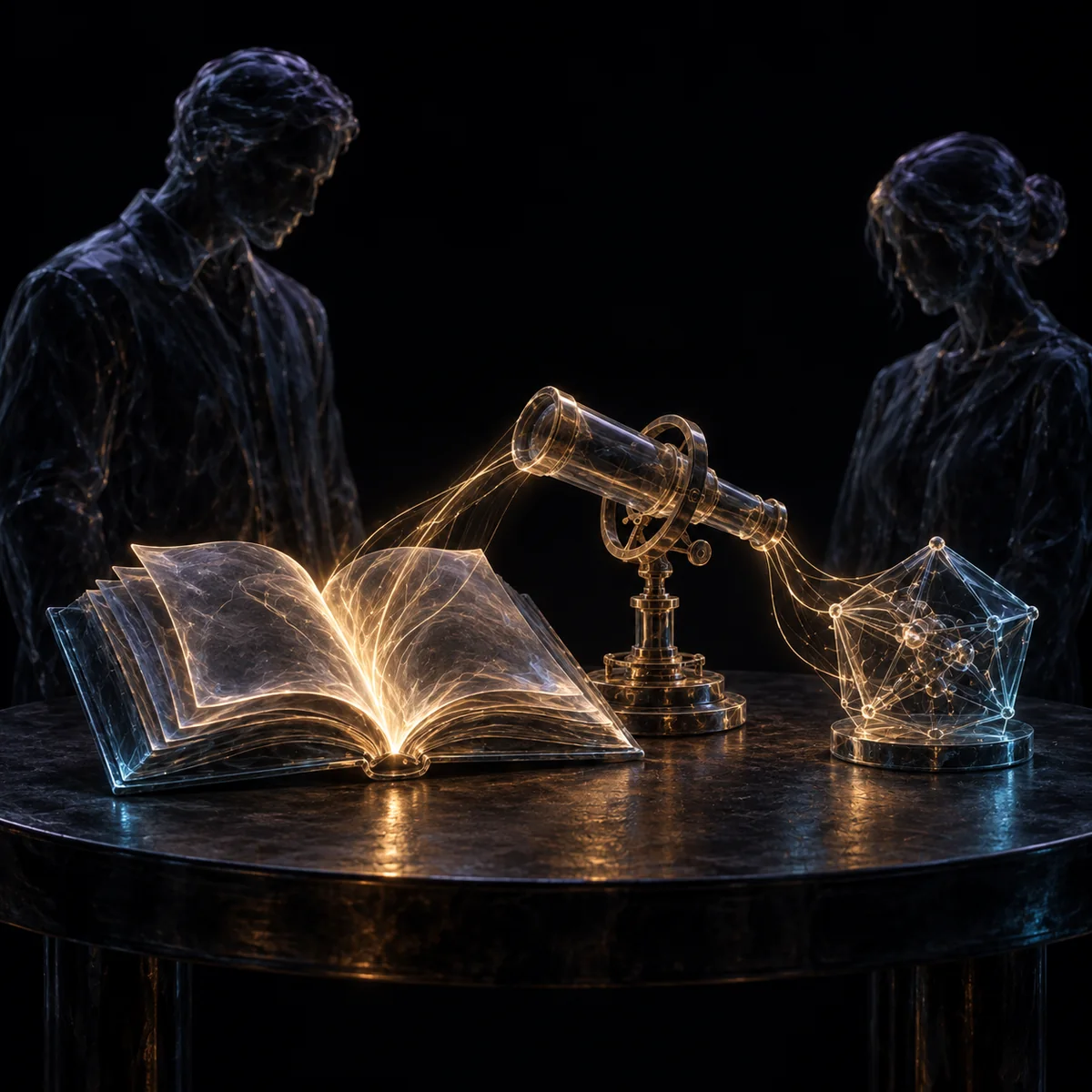
Someone makes an instrument; someone else improves it. An observation unsettles an explanation, and others return to the evidence. Across many lives, the view changes.
Curiosity becomes a way for this part of the world to discover more of the world it belongs to.
Its reach extends through microscopes and telescopes, through experiments, stories, calculations and machines. Each makes something accessible while leaving much beyond its frame.
Your own curiosity participates in that movement. So does the small act with which we began.
You looked at your hand, and began following what made it possible.
The further we followed, the more of the world appeared within the answer.
The hand is still yours. The life remains particular. You still see from here, with the possibilities and limits of this body, this history, this moment.
And here, a part of the universe has become able to look back at itself.
To recognise something of its own unfolding.
To imagine possibilities it has not yet encountered.
Even the question of who you are belongs to that exploration.
Continue the inquiry